
The Future Lens: Navigating the Top Filmmaking Trends of 2026
The world of cinema is a perpetual motion machine, constantly evolving with technological leaps and shifts in audience appetite. As we stand on the precipice of 2026, the filmmaking landscape is not just changing, it's transforming at an exhilarating pace. From the rise of new storytelling paradigms to groundbreaking production techniques, here’s a look at the trends that will define the big (and small) screen in the coming year.
The Blurring Lines of Immersive Storytelling
While virtual and augmented reality have been buzzwords for years, 2026 is poised to be a pivotal year where these technologies move beyond novelty and firmly into sophisticated narrative tools. We're seeing fewer tech demos and more compelling, emotionally resonant experiences. Imagine a documentary where you don't just watch, but walk through ancient ruins as the narrator speaks, or a horror film where the jumpscares happen in your actual living room via AR.
Studios are investing heavily in hybrid productions, where traditional film elements are complemented by immersive components accessible via headsets or even smartphone apps. This trend isn't about replacing linear storytelling but augmenting it, offering deeper engagement and new perspectives. The challenge, of course, is crafting narratives that genuinely benefit from this interactivity, rather than simply existing as a gimmick. The filmmakers who master this balance will be the trailblazers.
The Baby Factory Is Closed, debuting at SXSW 2026, is a 20-minute VR experience uses Unreal Engine 5, motion capture, and even scent integration to place the audience inside the body and psyche of a woman navigating menopause.
Sustainability Takes Center Stage
With global awareness of climate change at an all-time high, the film industry is making a concerted effort to green its practices. In 2026, sustainable filmmaking will shift from a niche concern to a mainstream expectation.
Sets are now built with a circular economy in mind, prioritizing recycled construction materials and ethically sourced wardrobes while virtually eliminating single-use plastics from craft services. This environmental consciousness extends to the power grid, where productions increasingly swap loud, diesel-guzzling generators for silent, renewable energy arrays and implement zero-waste management systems. Perhaps most significantly, carbon footprint tracking has become as essential as a production budget; studios now rigorously report their emissions, using data-driven incentives to steer everything from more efficient travel logistics to the selection of eco-certified vendors.
This trend isn't just about environmental responsibility; it's also a marketing advantage. Audiences are increasingly drawn to films and companies that demonstrate a commitment to social and environmental stewardship.
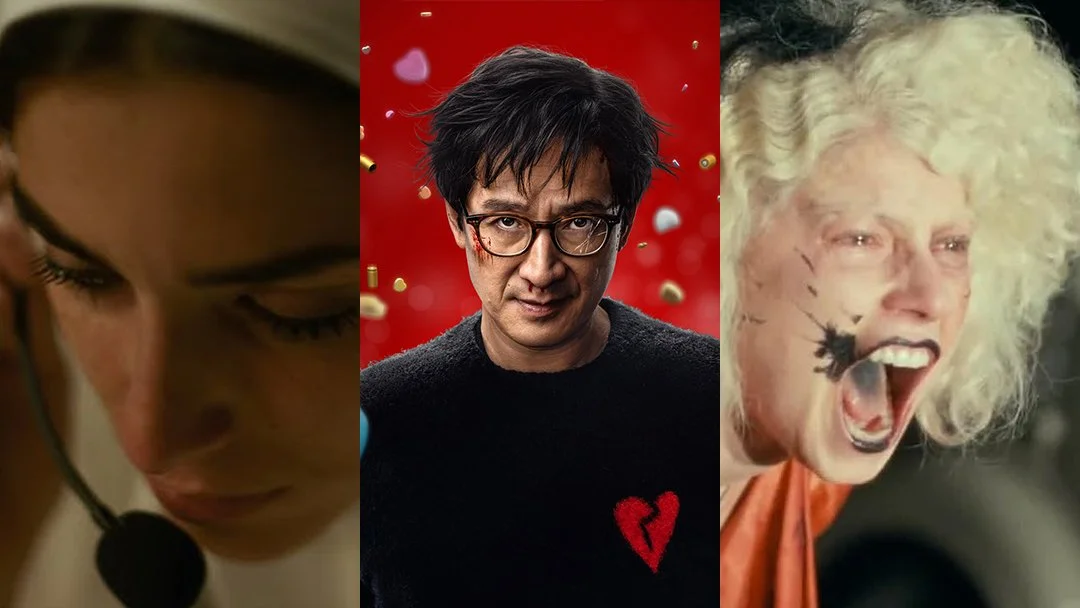
Love Hurts is a high-octane action film recently won a Global Production Award for its green initiatives. The production utilized large hybrid generators in Winnipeg to eliminate the need for diesel and created a "sustainability blueprint" for future films in the region.
The Rise of the "Micro-Genre" and Niche Audiences
The fragmentation of streaming platforms and the global reach of the internet have empowered niche communities like never before. In 2026, filmmakers will increasingly cater to "micro-genres" – hyper-specific categories that might have once been overlooked by mainstream studios.
Think "cosmic horror set in a laundromat," "found footage romantic comedy," or "post-apocalyptic culinary drama." These films, often produced with independent financing, thrive on dedicated online fanbases. Social media acts as both a distribution channel and a marketing engine, allowing filmmakers to connect directly with their ideal audience. This trend encourages bold, experimental storytelling that might not appeal to everyone, but deeply resonates with a passionate few.
The Bride! is directed by Maggie Gyllenhaal, this reimagining of The Bride of Frankenstein is explicitly described as punk-rock gothic. Set in 1930s Chicago, it ditches the dusty castle for a gritty, underground aesthetic that feels more like a music video than a classic monster movie.
Ethical Storytelling & Authentic Representation
Diversity and inclusion have rightly been at the forefront of industry discussions, and in 2026, these efforts will deepen beyond mere tokenism. The focus will be on truly authentic representation, driven by diverse voices both in front of and behind the camera.
Productions are now standardizing the use of cultural consultants and community leaders to ensure that every story is told with "inside-out" accuracy, moving far beyond surface-level diversity toward a deeper, more meaningful truth. This systemic change is bolstered by a renewed commitment from festivals, grant bodies, and production houses to prioritize projects from historically underrepresented filmmakers, ensuring that a broader spectrum of global perspectives finally reaches the screen. The result is a surge in nuanced, multi-dimensional narratives that actively defy traditional stereotypes, challenging filmmakers to explore the complexity of human experience with a level of depth and honesty that audiences now rightfully demand.
The Voice of Hind Rajab this "docufictional" account uses the actual 2024 audio recordings of a five-year-old girl in Gaza, reconstructively filming the call-center environment to ensure the most authentic possible portrayal of a real-life tragedy.
The filmmaking world of 2026 promises a vibrant tapestry of innovation, responsibility, and compelling narratives. As technology empowers new forms of expression and audiences demand more authentic and diverse stories, one thing is certain: the future of film is going to be incredibly exciting.
