
Writing a Single-Location Film
Most independent filmmakers start with a big vision and a tiny bank account. Sometimes that means you have to cut your script down until it fits into one room.
But a "bottle film" isn't just a budget saver. It can be a masterclass in tension. When your characters can’t run away, they have to fight. Here is how to make a single location feel like a massive cinematic world.
Give Them a Reason to Stay
The biggest mistake is making the location feel like a choice. If the characters can just walk out the front door, your tension is dead. You need to trap them.
The Physical Trap: A storm, a locked door, or a monster outside
The Social Trap: A wedding rehearsal or a tense dinner where leaving would ruin a life
The Psychological Trap: They’re waiting for a call or a person who holds their only hope
Break the Space Into Zones
Don't just shoot four walls. Even a tiny apartment has different "moods."
The Kitchen: The place where people argue or hide.
The Couch: Where the big conversations happen.
The Window: The only link to the world outside.
If you move your actors between these zones, the audience won't get bored. You're giving the story "geography" without ever changing sets.
Essential Watch-List
If you want to see how it's done, check out these films. They prove you don’t need a map to tell a huge story:
12 Angry Men: 12 guys in a sweaty room. The heat is basically a character itself. It’s the gold standard for dialogue-driven tension.
Green Room: A punk band gets trapped in a backstage room after seeing something they shouldn't. It’s a brutal lesson in using a physical space to create a "no-exit" nightmare.
Coherence: A simple dinner party that turns into a sci-fi mystery. It proves you don't need CGI, just a clever hook and a dark room.
Mass: Four people talking in a church basement. It’s heartbreaking and never feels small because the emotions are so big.
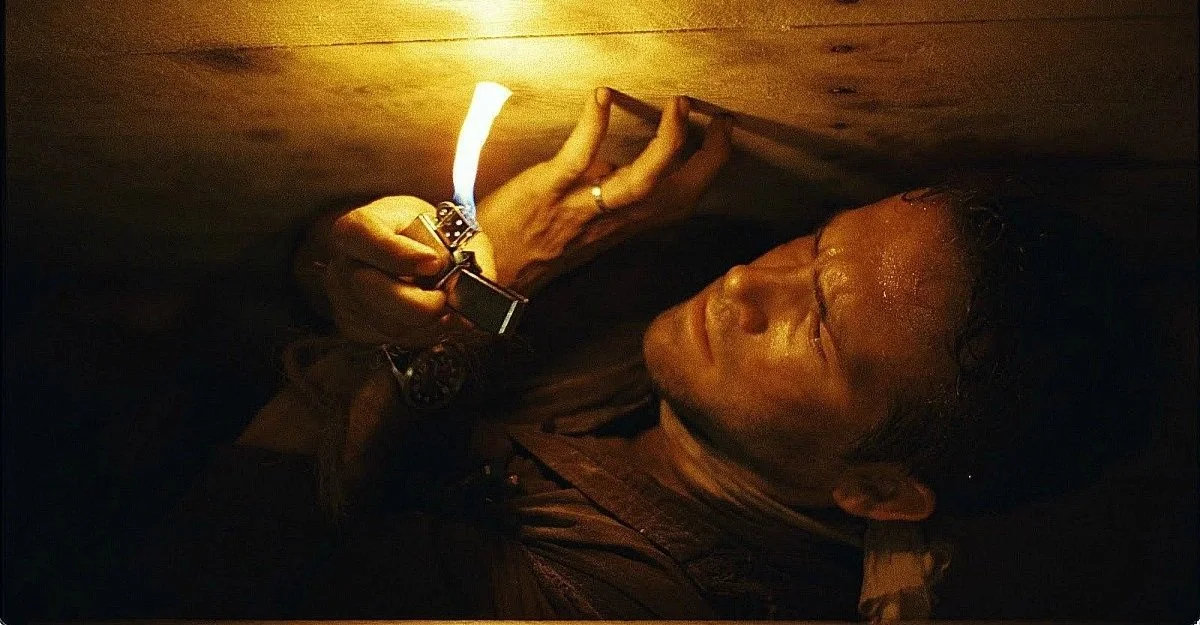
Buried: Ryan Reynolds in a coffin. That’s it. It uses sound and lighting to make a tiny box feel like an epic thriller.
Give an Object a Role
Since you’re stuck in one place, every item in that room needs to work for its keep. A mundane object should become the centre of the story.
The MacGuffin: A locked briefcase on the table, a ringing phone, or a mysterious USB drive. If the characters are fighting over one thing, the room feels like a battlefield.
The Ticking Clock: A leaking pipe, a dying phone battery, or a candle burning down. It adds a sense of urgency so the "one room" doesn't feel static.
The Reveal: Think about how the band in Green Room uses a simple fire extinguisher or a heavy door to change the power dynamic.
When you focus on the small details, the audience stops looking for the exit and starts looking at the story.
The "Off-Screen" Secret
To make a room feel big, remind us what’s outside. Use sound design—sirens, rain, or a neighbor’s party. A ringing phone is the best weapon in a single-location script. It’s a bridge to the rest of the world that keeps the stakes moving without costing you a cent.
